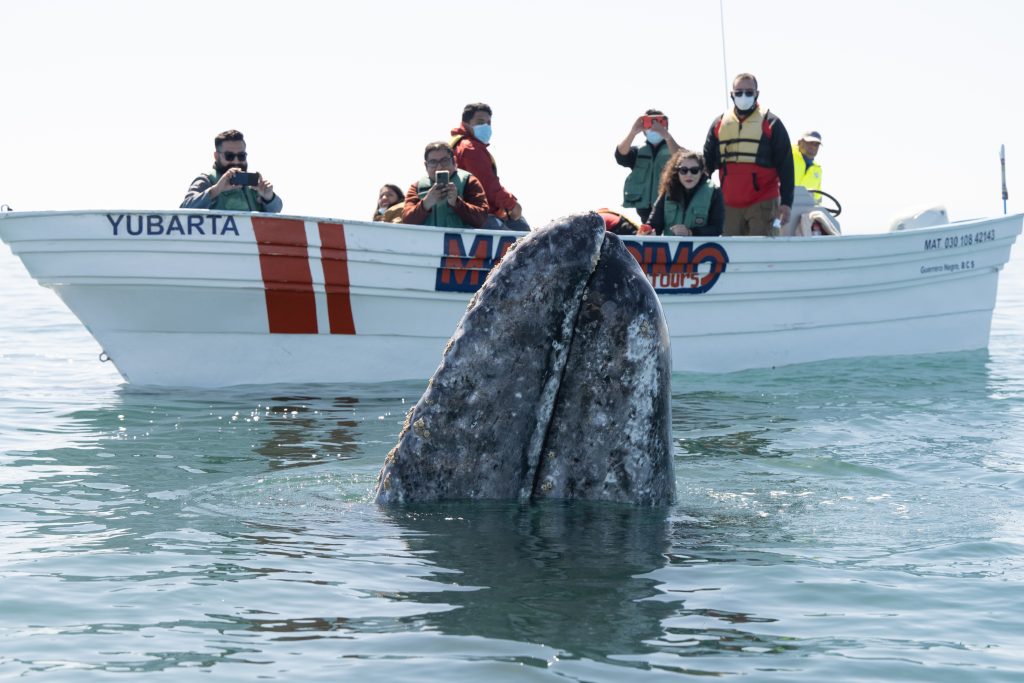
Whale watching in Mexico offers some of the greatest whale-watching opportunities in the world. Warm Mexican waters, the many protected bays, and unique biodiversity allow several different species of whales to migrate to Mexico each year. Mexico’s many whale-watching locations range from the wild Pacific to the warm, calm Caribbean waters of Mexico’s east coast. Each of the five destinations mentioned below (Cabo San Lucas, Loreto, Puerto Vallarta, Riviera Nayarit and Cancun) provides a once in a lifetime opportunity to watch whales up close.
For both first-time whale watchers and experienced ocean lovers alike, the five destinations offer an unforgettably great whale watching experience.
Cabo San Lucas
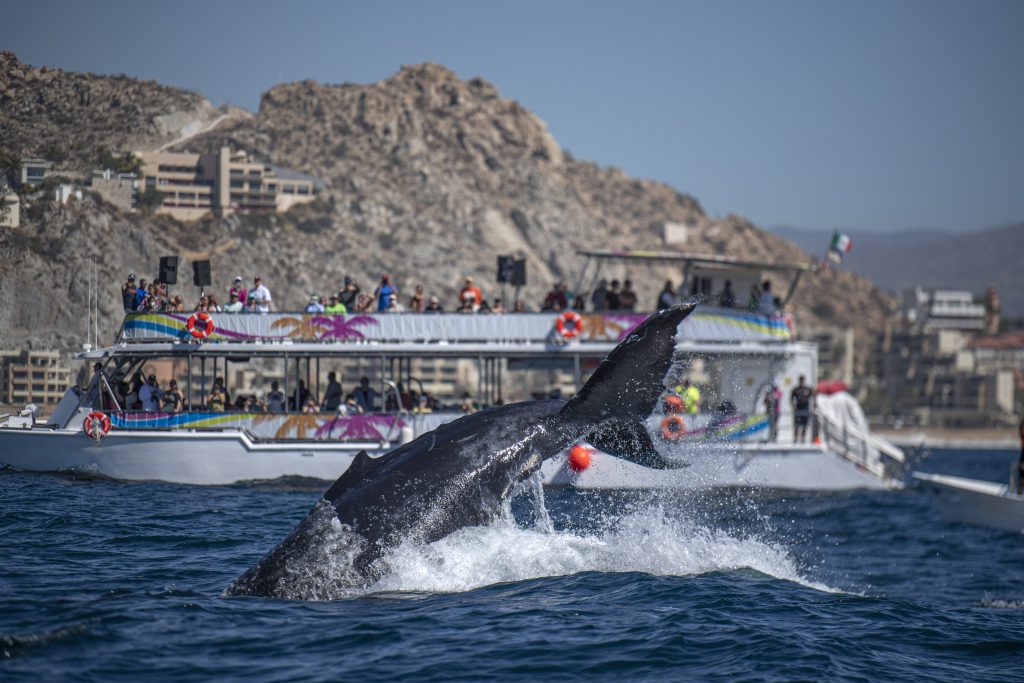
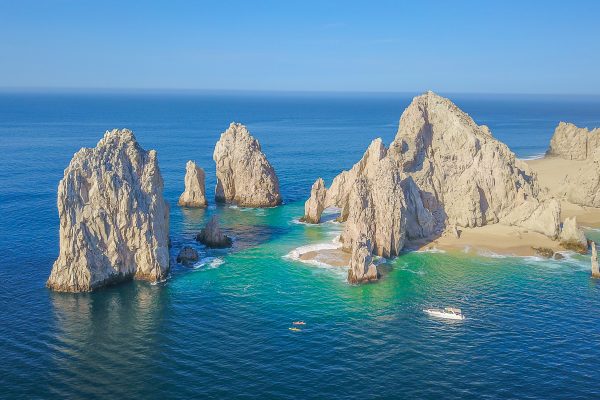
The desert landscape of Cabo San Lucas is as beautiful as it is famous for its luxurious resorts and vibrant nightlife; however, from December through April, Cabo San Lucas becomes one of Mexico’s top whale watching locations. This location sits at the juncture of the Pacific Ocean and the Gulf of California and is right on the migration path of humpback and gray whales.
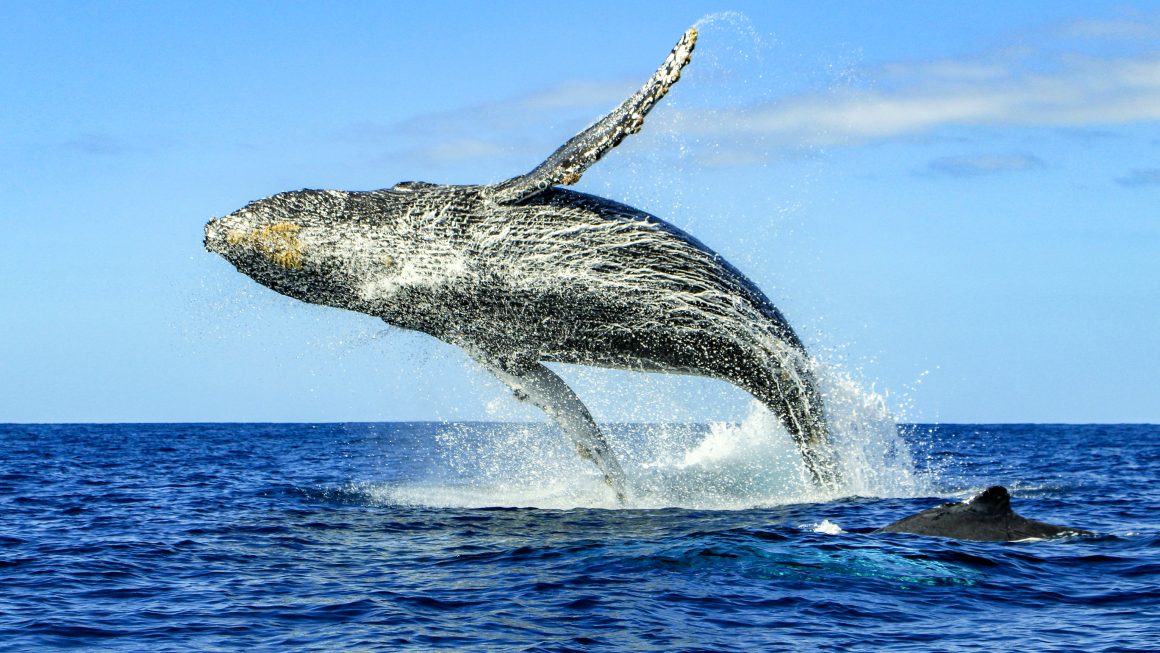
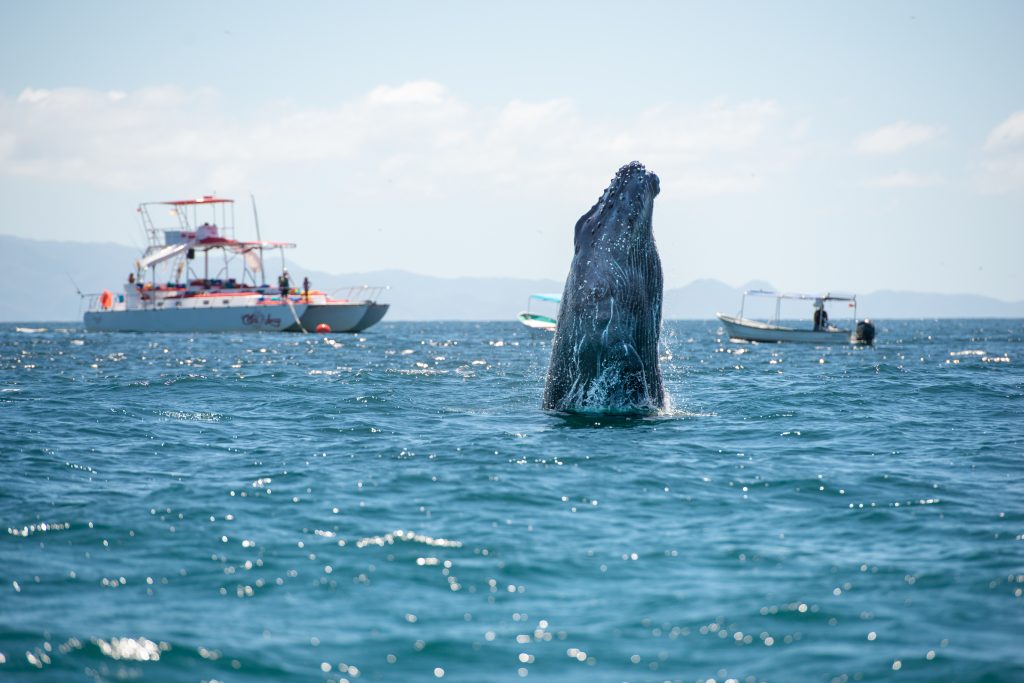
Whale watching in Cabo is so fun because whales are commonly seen swimming very close to boats and in some cases, even to shore. Common behaviors such as breaching, slapping their tails and spy-hopping are frequently observed, especially among humpback whales.
Many whale-watching trips in Cabo depart from the marina located near the iconic El Arco. Tours may combine the breathtaking rock formations of El Arco with the excitement of spotting whales. Many of these tours can be enjoyed on a luxury catamaran with cocktail service, while others are on fast zodiacs and can be a real adrenaline rush. Regardless of which style you prefer, Cabo offers scenic beauty, dramatic whale watching and countless memories to take home.
- Best time to visit: January to March
- Why it stands out: Close encounters with whales and dramatic scenery
Loreto
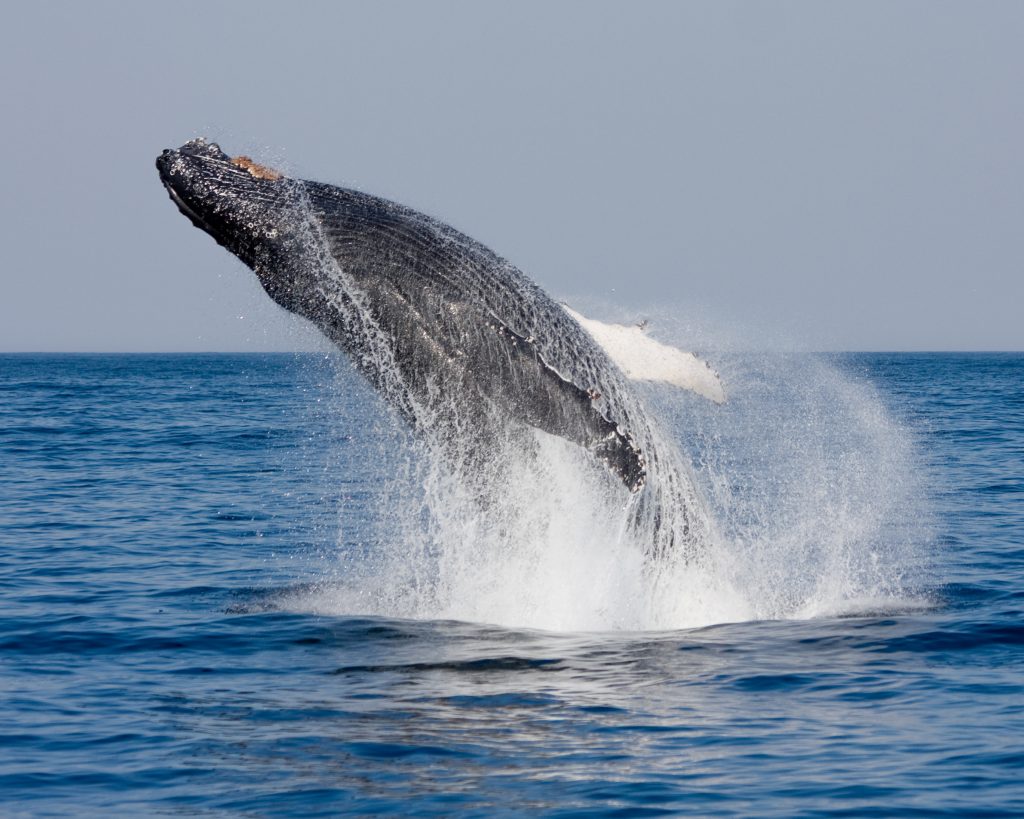
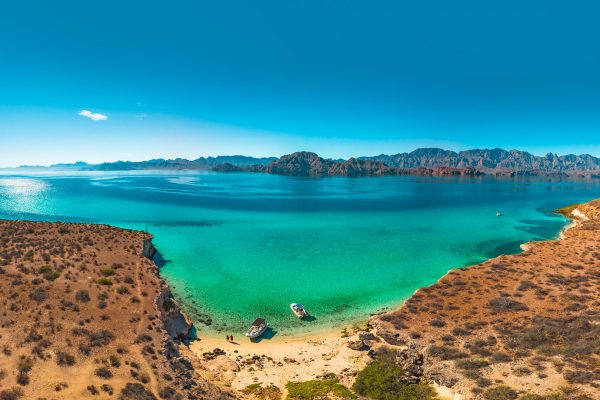
Members looking for a quiet, more peaceful whale watching experience should look no further than Loreto, Mexico. Located along the Gulf of California in the state of Baja California Sur, Loreto is a charming Mexican town that provides some of the best whale watching experiences in Mexico.
Loreto is especially well-known for blue whales, the largest animal to have existed on Earth. Witnessing a blue whale rise above the surface of the ocean near your boat is a truly humbling experience that is difficult to describe. In addition to blue whales, fin whales, humpbacks, and dolphins also spend time in the waters around Loreto. All of these whales are protected within the Loreto Bay National Marine Park, a UNESCO World Heritage Site.
All tours in Loreto focus on, marine conservation and education, many are led by marine biologists. The small size of the groups and the calm waters make Loreto the perfect choice for travelers who desire a genuine connection with nature, a more authentic experience and meaningful interactions with wildlife.
- Best time to visit: February to March
- Why it stands out: Blue whales and eco-friendly whale watching experiences
Puerto Vallarta
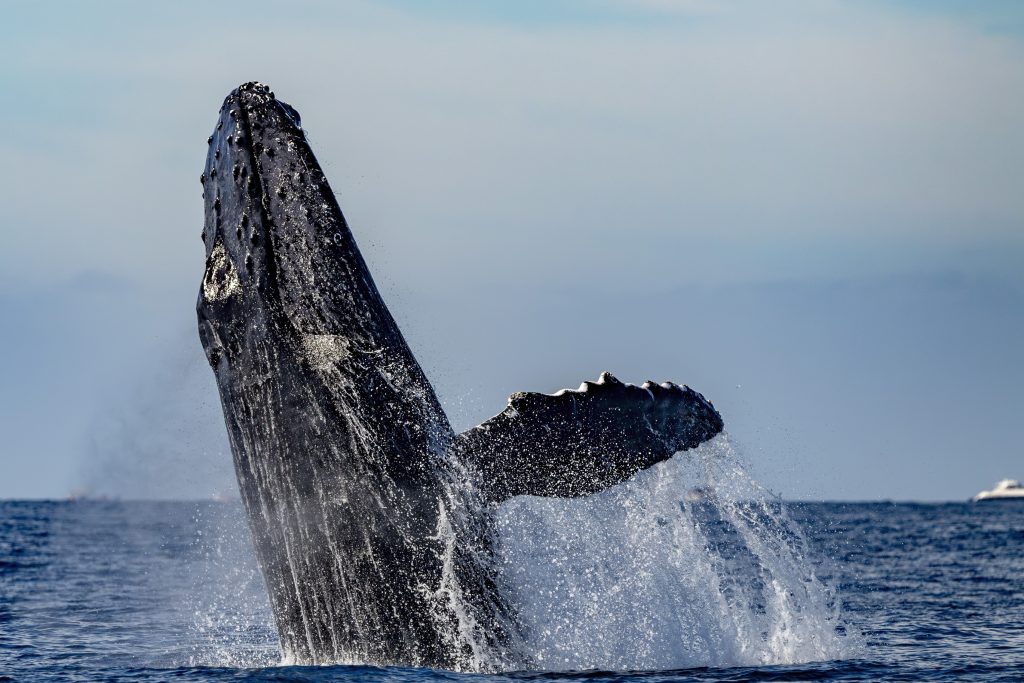
Puerto Vallarta combines the old-world charm of colonial architecture, the dense jungle landscapes of the surrounding mountains, and during whale season, the bay becomes a play area for humpback whales. Banderas Bay is one of the world’s largest bays and provides a safe haven for whales to mate, give birth and nurse their young.
Whale-watching tours leave daily from December to March and have a high success rate of spotting whales. Often, you will see mother and calf pairs, whales breaching and diving deep to show off their large tails.
What sets Puerto Vallarta apart is that whale watching is an integral part of a larger vacation. After spending the day watching whales, you can stroll the cobblestone streets of Old Town, visit local galleries and artists, enjoy fine dining at one of the many restaurants and enjoy the beach clubs and other attractions that the city has to offer. Puerto Vallarta is a great destination for couples, families and first-time visitors to Mexico.
- Best time to visit: January to February
- Why it stands out: Whale-watching friendly tours for families and calm bay waters
North of Puerto Vallarta is Riviera Nayarit, a scenic stretch of coastline featuring wild beaches, luxury resorts and quaint coastal villages. Whale watching in this area is much more of an adventure, more untamed and more exciting.
Every winter, humpback whales pass through the waters of the Riviera Nayarit, and puts on an impressive display of their acrobatic skills. The area is less developed than its southern counterpart, making the tours often feel more exclusive and the vast ocean views are plentiful.
There are several departure points, including Nuevo Vallarta, Punta Mita and Sayulita, providing ample opportunity to combine whale watching with surfing, wellness retreats, or simply relaxing on a beautiful beach. Riviera Nayarit is the perfect destination for travelers that seek luxury without crowds and nature without compromise.
- Best time to visit: January to March
- Why it stands out: Fewer crowds and untouched coastline
Cancun
Most people visiting Cancun associate the area with turquoise waters, white sand beaches and all-inclusive resorts, but whale watching is also available in the area. Humpback whales are rare in the Caribbean, but whale sharks – the gentle giants of the sea – are abundant and steal the show.
During the months of June through September, whale sharks congregate in the waters of Isla Mujeres and Holbox to feast on plankton. Although technically sharks, whale sharks can reach lengths of over 40 feet and pose no threat to humans.
An unforgettable experience awaits those who swim with a whale shark, blending adventure and tranquility. Cancun’s clear waters and extensive tourism infrastructure make this one of the easiest and most exciting wildlife encounters in Mexico.
- Best time to visit: June to August
- Why it stands out: Swimming with whale sharks in crystal-clear waters
Mexico is one of the countries with the longest whale watching seasons in the world, boasts incredible whale species diversity and has a strong focus on marine conservation. Whether you are looking for luxury yachts, eco-tourism or heart-pumping adventures, Mexico has a whale watching destination and whale for everyone.
Beyond being a trip, whale watching in Mexico is a transformative experience. It connects you with the natural world, reminds you of the beauty of our planet and gives you stories to share with friends and family for years to come.
Next time Mexico beckons your name, do not just stay on the beach. Get on the water. Look to the horizon. And get ready to be amazed – by the whales and the memories created.
Your adventure awaits. Book the tour.