

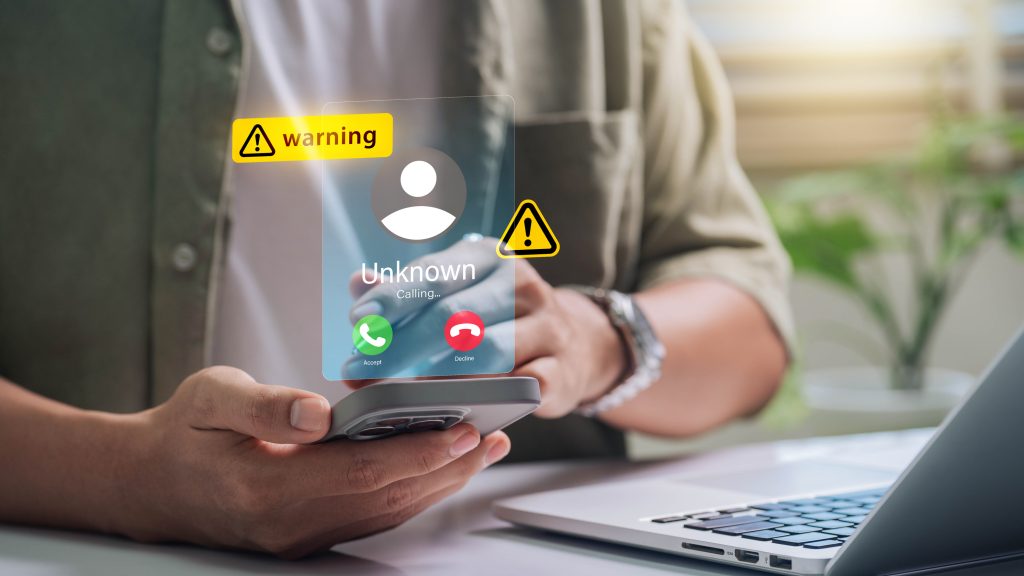
A call comes from an unknown number; it’s unexpected, yet friendly and familiar. The person claims to know your resort name; they refer to your membership; they talk as if they’ve been friends since forever in fact, they have in a way; at least as far as you’re concerned. They say there’s a buyer interested in your vacation ownership; an opportunity has developed; however, things must be done quickly. Before you know it, something that was ordinary now becomes urgent.
In reality, this is how many vacation ownership and resale scams get started, without clear warning signs and with reassurance and urgency, which creates a sense of familiarity. Knowledge will protect your vacation club ownership more than fear or uncertainty; knowledge is your defense; it’s knowing how the situation unfolds, and when to hold back.
Why Are Vacation Club Owners Being Targeted?
Vacation clubs represent value – time, experience and a long-term commitment. Those are the reasons scammers target them; scammers believe at some point, you may want to rent, sell, or explore options due to changes in your life. Curiosity generates opportunities – for both fraudsters, and for legitimate business discussions. Typically, fraudsters will contact you unsolicited, claiming to be professionals that assist with selling, renting, or exiting your vacation club membership; they may appear knowledgeable; they may use correct terminology; they may reference actual locations, resorts or properties. Their intention is to quickly establish trust and create a sense of urgency so that questions aren’t raised.
Using Urgency
Pressure is one of the most frequently used tools by fraudsters. You may be told that a buyer is available for a short period of time, or that paperwork needs to be completed immediately to close the sale. You may feel forced into a hasty decision prior to verifying the details, or having sufficient time to think about your decision. There are no legitimate transactions that require immediate action. Reputable businesses give you time to review, question and verify information. Creating a sense of urgency to act is usually a sign to slow down, not rush.

Common Red Flags: Upfront Payment Requests
Another common red flag is the request for an advance payment in resale and rental scams. Administrative costs, transfer fees, taxes, or processing fees may be the description given to you. They may be framed as standard, or refundable, and the amount may initially seem low enough to be considered reasonable. However, in many cases, once the advance payment is made, the scammer will disappear, along with the promised buyer, and the transaction will never occur. Here’s a good rule of thumb to keep in mind: Be wary of any unsolicited offer requiring you to send money before the legitimacy of the service is confirmed and documented.
Using Familiarity to Create Trust
Scammers often rely on sounding familiar. They may reference the resort brand you belong to, where you stay, or your membership type. They may state they work for a company you recognize, or that they have an official affiliation with your vacation club. This familiarity is deliberate. It is intended to reduce your vigilance.
However, no reputable organization contacts its members to buy their ownerships, nor does it require members to pay through unofficial channels. If you were not the one to start the conversation, it is perfectly fine to pause and confirm independently.
Legitimacy of Emails and Messages
Unsolicited emails and messages can resemble professionalism, including logos, official-looking language, and credible layout. Some may ask you to click on a link, confirm your account information, or provide private data to facilitate a transaction. Others may request electronic copies of documents or payments.
If the message creates uncertainty, urgency, or pressure or if it requests sensitive information — it is advisable not to engage directly. To avoid any potential risks, taking the time to verify via legitimate and established contact methods will likely resolve any issues.
Why Verify?
Independent verification is possibly the safest step you can take. Instead of reacting to an unsolicited message or call, access your vacation club membership via official contact methods you trust. Pose questions. Clarify information. Document everything.
Verification is not necessarily an indication of wrongdoing; it merely indicates caution. Professionalism expects and accepts that.
Listen to Your Intuition
Members who avoided scams after the fact, typically reported a common sensation: Something didn’t feel right. You never owe anyone an explanation to terminate a conversation that makes you uncomfortable. You have the right to reject a call, delete an email or choose not to respond to a message.
While scams cause significant financial harm, they also contribute to emotional anxiety, confusion and disappointment. In addition to your wallet, education also protects your peace of mind.
Your vacation club ownership is designed to provide you with enjoyable experiences, time away, connections and fun. Education will enable you to enjoy those experiences positively, without unnecessary stress.




How do the scammers know our name and home address?
Hi David! Scammers often obtain names and home addresses from public records, data breaches, marketing lists, or previous transactions shared online. Having this information does not mean your accounts are compromised, but it’s still important to remain cautious and never share additional personal or financial details. Please stay alert, Please continue to be extremely careful.
Exactly. And how do they know our account numbers? When I called resortcom to ask, I was told that this is a matter of public record. Really? Why is our account info publicly available?
Hi Michele! You’re right to be concerned. Scammers often obtain information from public records, marketing lists, or data breaches, but rest assured that your full account details are not openly accessible—what they can find publicly is usually limited to names and addresses. Always be careful never to share personal or financial information, and if you have questions about your membership, contact Member Services directly. Thank you for sharing.
I have been contacted three times in the past 9mos by these scammers. They are very sophisticated and have put together a well laid out plan and proposal.
This is the latest contact email from Jan 7,2026.
From:
connect@amrealestate-group.com
To:
dvogan@XXXXX
Wed, Jan 7 at 11:54 AM
David Vogan,
We recently reached out to connect with you regarding your current membership, as we believe there may be a better path forward that aligns with your present needs and future goals.
As part of our outreach initiative, and under the representation of Hilton Grand Vacations, we are extending the opportunity to review your options through a formal proposal. Our team is highly experienced in handling these types of transitions, and we are here to support you with clarity, transparency, and care throughout the process.
In 2021, Hilton Grand Vacations (HGV) acquired Diamond Resorts International (DRI) in a $1.4 billion transaction—bringing together two trusted names in vacation ownership.
For more information regarding Hilton Grand Vacations’ 2021 acquisition of Diamond Resorts, we invite you to visit the following link: https://www.businesswire.com/news/home/20210802005413/en/Hilton-Grand-Vacations-Completes-Acquisition-of-Diamond-Resorts
More recently, in 2024, Hilton Grand Vacations further expanded its portfolio by acquiring Bluegreen Resorts, reaffirming its commitment to offering innovative solutions and increased flexibility to its members. These strategic moves have created new opportunities for members like you.
For more information regarding Hilton Grand Vacations’ 2024 acquisition of Bluegreen, we invite you to visit the following link: https://corporate.hgv.com/news/news-details/2024/Hilton-Grand-Vacations-Completes-Acquisition-of–Bluegreen-Vacations/default.aspx
To get started, we kindly ask that you provide a proof of ownership. This will allow us to verify the current status of your membership and conduct the necessary title or lien searches to prepare a personalized proposal for you. Submitting this information promptly will help ensure an efficient and timely process.
If you’re open to hearing more, please visit our website https://amrealestate-group.com/ contact and fill out the contact form to send us a message. One of our qualified representatives will reach out shortly to begin the conversation.
Thank you for taking a moment to consider this opportunity. We look forward to the chance to present you with a proposal backed by the integrity and support of Hilton.
Warm regards,
Levi Rodriguez
Address: 7324 Southwest Fwy, Houston, TX 77074
Phone: +1 (346) 771-6405
Mail: connect@amrealestate-group.com
This is an attachment to the above email sent by Levi Rodriguez of A & M REal Estate Group. As you can see A&M is offering $210,000 for just 1000 pts.
1. The owners(s) information is listed properly. 2. The purchase price meets your expectations. $210,000.00 USD If everything is correct, you may sign and return this Letter of Intent along with a copy of your driver license(s). This step simply allows us to proceed with the verification and due-diligence phase. You are not transferring ownership, nor are you forfeiting any rights by signing this document. This is solely a preliminary confirmation of interest. Owner(s): David VoganResort: Villa del PalmarLocation: MexicoUnit Type (points): 1,000Season: AnyPurchase Offer: $210,000.00 USD A&M Real Estate Group 7324 Southwest Fwy, Houston TX 77074 Telephone: (346) 771- 6405Email: connect@amrealestate-group.com
Today Feb 3, 2026 I received a phone call from Roberto Rojo from the Villa Group at +52 322 428 0074. asking if I needed anymore information.
Hi David! Thank you for sharing this—every piece of information from our members is very valuable. Please remember to never respond to or provide any personal or membership information to any email, call, or contact that does not come directly from our official Member Services line, as this is the only authorized way to handle any matters related to your membership.
Scammers can be very sophisticated, and their communications may appear professional and legitimate, so it’s important to stay alert and be extremely careful. If you have any questions or need assistance regarding your membership, please contact Member Services directly. Thank you
I tried to sell my time thru the resort because a sales women in Loreto Villa del Palmer said it was
possible. After I left the resort to go home, I found out that was a lie. They would not buy it.
Did she lie to me?
Karen Mitsueda
Hi Karen!
We strongly recommend not relying on information from third parties or sharing personal details with anyone outside official channels. If you have questions about your membership or resale options, please contact Member Services directly for accurate and verified information. Thank you for sharing this—every piece of information matters.
Has the Villa Group had data breaches? How many times and what information do these scammers have? I was approached in 2016 with a very elaborate scam. Bottom line, if it’s too good to be true, it isn’t.
Hi Julie!
Thank you for sharing your concerns with us. We truly understand how unsettling these situations can be, and we appreciate you bringing this to our attention.
The Villa Group takes the security and privacy of our members’ information very seriously. We do not share our members’ personal data with third parties, and we continuously review and strengthen our systems to protect against unauthorized access.
While we cannot comment on external scams that may occur outside of our organization, we strongly advise all members to remain cautious of unsolicited offers that seem too good to be true and to verify any communication directly with our official channels.
If you ever receive a suspicious call or message claiming to represent The Villa Group, we encourage you to contact our Member Services team so we can verify its authenticity and guide you accordingly. Your safety and peace of mind are very important to us.